Guidance on Recognizing Carbon Monoxide Risks in the Home
Home safety review highlights warning signs, fuel-burning equipment and alarm placement WILMINGTON, Del., Nov. 17, 2026
Press Release Disclaimer: This is a press release distributed through the XPR Media network. It has not been independently verified by our newsroom.

Home safety review highlights warning signs, fuel-burning equipment and alarm placement
WILMINGTON, Del., Nov. 17, 2026 — X-SENSE is highlighting steps households can take to limit carbon monoxide (CO) exposure ahead of winter. The guidance covers common sources of CO, symptoms that warrant attention and the role of correctly installed alarms.
CO is a colorless, odorless gas produced when fuels do not burn completely. Furnaces, water heaters, fireplaces, vehicle engines and portable generators can all be sources. Without an obvious warning, prevention and working alarms matter.
Recognizing Possible Exposure
The Centers for Disease Control and Prevention identifies headache, dizziness, weakness, nausea, chest pain and confusion among possible symptoms. These effects can resemble common illnesses, and people who are asleep may not notice them. When a CO alarm sounds or poisoning is suspected, occupants should move outside immediately, call 911 and wait for emergency responders before reentering.
Reducing Risks Around Equipment
The U.S. Consumer Product Safety Commission recommends annual professional inspection of heating systems, chimneys and vents. Residents should never use a gas oven for space heating or bring charcoal grills indoors. Portable generators belong outdoors, at least 20 feet from the home, with exhaust directed away from doors and windows.
Vehicles should not be left running in attached garages, even when the garage door is open. During home repairs or renovations, vents and flues should remain clear of coverings and debris.
Placing and Maintaining CO Alarms
The CPSC recommends installing a carbon monoxide alarm on every level of a home and outside sleeping areas. Placement should follow the manufacturer’s instructions and local requirements. Alarms should not be hidden behind furnishings or positioned directly above fuel-burning appliances.
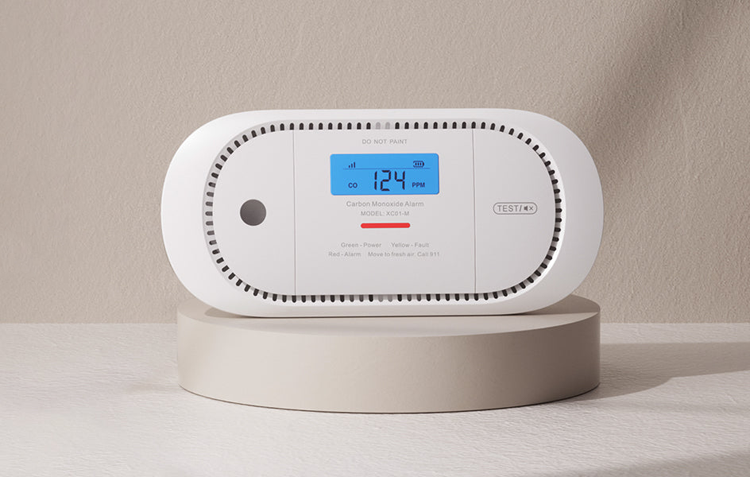
Carbon monoxide alarm designs range from independent units to connected systems. X-SENSE describes these formats in its carbon monoxide alarm range. The X-SENSE XC01-M smart carbon monoxide alarm uses an electrochemical sensor and a replaceable battery. App notifications and compatible interconnection require an SBS50 base station connected through a 2.4 GHz Wi-Fi network, according to the manufacturer.
Owners should test devices as instructed, respond to battery or fault warnings and replace alarms as directed. Connected notifications may supplement audible warnings, but they cannot replace equipment maintenance or an emergency response plan.
Checking appliances, exits and alarm coverage before winter is a practical way to identify problems early. A CO alarm provides warning when hazardous conditions arise; reducing sources of exposure remains the first line of protection.
About X-SENSE
Founded in 2013, X-SENSE has safeguarded more than 15 million households worldwide with its comprehensive range of smoke alarms, carbon monoxide detectors, and environmental sensors. Backed by international certifications and designed for long-term reliability and user convenience, X-SENSE is committed to delivering innovative safety for every home.
Media Contact
Company Name: X-SENSE ELECTRONICS LLC
Contact Person: Martin
Email: partners@x-sense.com
Website: https://www.x-sense.com/
State/Country: Delaware