Long Island Public Adjusters Warns Homeowners About the “Catastrophe Adjuster Effect” After Major Storms
Just another WordPress site
Press Release Disclaimer: This is a press release distributed through the XPR Media network. It has not been independently verified by our newsroom.
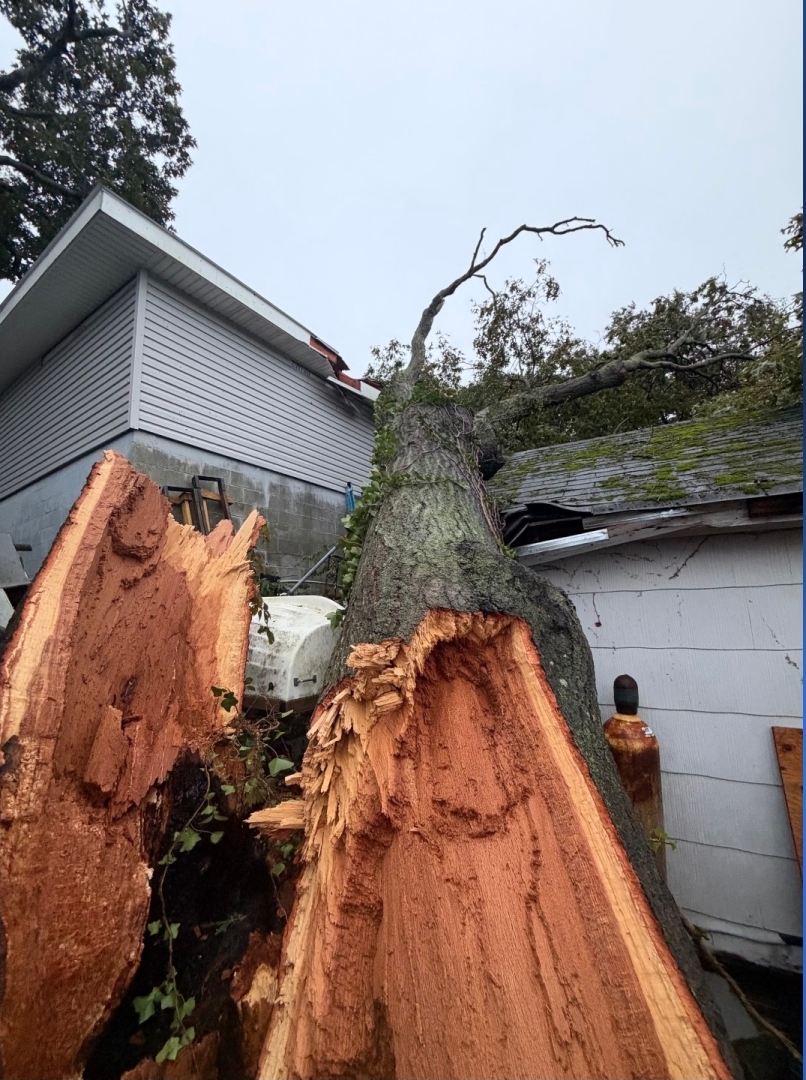

Smithtown, New York – October 02, 2026 – When a major storm strikes Long Island, insurance companies may rapidly increase claims staffing by bringing in catastrophe adjusters from outside the region. That surge in manpower helps carriers respond to thousands of new claims at once, but Long Island Public Adjusters says homeowners should understand that the first inspection and first estimate may not always capture the complete scope of a loss.
Long Island Public Adjusters refers to this post-storm pattern as the “Catastrophe Adjuster Effect.”
New York Insurance Law allows temporary adjuster permits to be issued following widespread property losses, including to nonresident adjusters working on behalf of authorized insurers. These temporary permits are intended to help insurers increase capacity and process catastrophe claims more quickly.
“The issue is not that an out-of-state adjuster is automatically unqualified,” said Kevin Godfrey, owner of Long Island Public Adjusters. “The concern is what happens when an adjuster is handling a high volume of claims in a market they may not regularly work in. Long Island has its own construction costs, building conditions and repair practices, and a fast initial inspection may not identify every component of the damage.”
According to Godfrey, homeowners often assume the carrier’s first estimate represents the final value of their claim. In reality, an initial estimate may only include damage visible during the first inspection.
Storm losses can involve much more than an obviously damaged roof, siding panel or fallen tree. Interior water migration, insulation, flooring, cabinetry, trim, electrical components, detached structures, debris removal, code-related work and other areas may require additional investigation or documentation.
This becomes especially important after major weather events, when adjusters may be inspecting multiple properties each day and moving between communities or states as catastrophe response operations expand.
The New York State Department of Financial Services advises homeowners to photograph and document losses before cleanup whenever possible, maintain detailed records, follow up with insurers in writing and provide documentation supporting the claimed damage. DFS also notes that policyholders may obtain their own contractor estimate to compare with the insurance company’s estimate.
Godfrey says one of the biggest mistakes homeowners make is treating the first estimate as a final determination rather than reviewing it line by line.
“An insurance estimate is still an estimate,” Godfrey said. “If an item was damaged but never documented, measured or included, the homeowner should not assume it was intentionally excluded or that it cannot be addressed. The important thing is identifying the discrepancy and supporting it with photographs, measurements, contractor information and the applicable policy language.”
What Long Island Homeowners Should Review After a Catastrophe Inspection
Homeowners reviewing an initial storm estimate should compare the estimate against the actual damage throughout the property, including areas that may not have been visible during the first inspection.
Particular attention should be paid to whether the estimate accurately reflects damaged roofing and siding, interior water damage, continuous flooring, cabinetry, trim, insulation, contents manipulation, debris removal, detached structures and other storm-related damage.
Homeowners should also confirm that measurements and quantities are accurate and determine whether additional damage becomes visible during demolition or repairs.
The existence of an omitted item does not necessarily mean a claim was improperly handled. Some losses develop over time, hidden damage may not be immediately visible, and supplemental documentation is a normal part of many property claims. However, homeowners should understand that they remain responsible for documenting and proving the extent of their loss.
Why Local Knowledge Can Matter
Long Island presents unique claim considerations because repair pricing, housing stock, coastal exposure and construction practices can vary significantly from other parts of the country.
An adjuster arriving from another market may be highly experienced while still being unfamiliar with certain local conditions or costs. For that reason, homeowners should compare an insurance estimate against actual local repair requirements rather than focusing only on the bottom-line dollar amount.
“The first question shouldn’t be whether the estimate looks high or low,” Godfrey said. “The first question should be whether the scope is complete. If the scope is missing damage, the pricing discussion is already starting from the wrong place.”
Long Island Public Adjusters recommends that homeowners dealing with significant storm damage preserve photographs and video, maintain copies of all communications, obtain appropriate repair documentation and review both the scope of damage and applicable policy provisions before treating an initial estimate as final.
More information about storm, wind, tree and property insurance claims is available at LongIslandPublicAdjusters.com.
About Long Island Public Adjusters
Long Island Public Adjusters, LLC is a New York-licensed public adjusting firm serving homeowners and businesses throughout Nassau and Suffolk Counties. The firm assists policyholders with documenting property damage, reviewing insurance estimates, preparing claim documentation and negotiating covered property claims. Founded by Kevin Godfrey, a former carrier-side large-loss insurance professional with more than 20 years of industry experience, the company’s mission is to help Long Island property owners understand their coverage and present complete, well-documented insurance claims.
Media Contact
Company Name: Long Island Public Adjusters, LLC
Contact Person: Kevin Godfrey
Email: Send Email
Phone: 516-410-0164
Address:34 E Main St Ste 347
City: Smithtown
State: New York
Country: United States
Website: longislandpublicadjusters.com
Press Release Distributed by ABNewswire.com
To view the original version on ABNewswire visit: Long Island Public Adjusters Warns Homeowners About the “Catastrophe Adjuster Effect” After Major Storms