
Benign Paroxysmal Positional Vertigo Identified as Common Cause of Sudden Dizziness
A common cause of sudden, intense dizziness, often described as the room spinning, is a vestibular disorder called benign paroxysmal positional vertigo (BPPV). This condition occurs when tiny calcium carbonate crystals become dislodged in the inner ear, leading to vertigo…
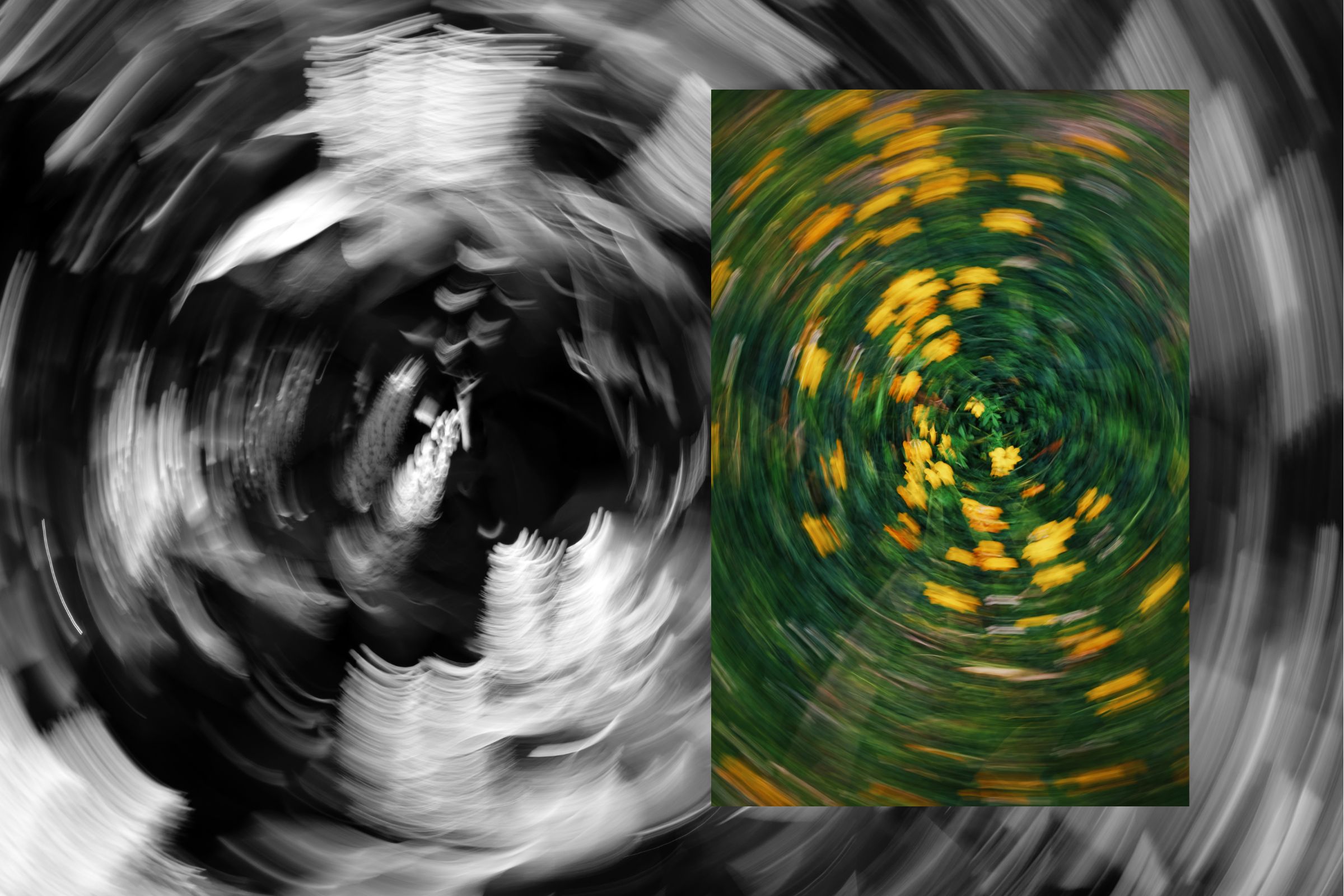
 Baltimore, MD, September 22, 2026 — A common medical condition known to cause sudden, intense episodes of dizziness, frequently described by sufferers as the sensation of the room spinning, has been identified as benign paroxysmal positional vertigo (BPPV). This vestibular disorder is characterized by brief but severe bouts of vertigo that are typically triggered by specific changes in head position.
BPPV occurs due to an issue within the inner ear, a crucial component of the body’s balance system. Specifically, the condition arises when tiny calcium carbonate crystals, also known as otoconia, become dislodged from their normal location within the ear. These displaced crystals then migrate into one of the fluid-filled semicircular canals of the inner ear.
When the head moves in certain ways, such as rolling over in bed, looking up, or bending down to tie shoes, these dislodged crystals shift within the canal. This movement stimulates the nerves in the canal, sending confusing signals to the brain that are interpreted as rotational movement, thus causing the sensation of vertigo. The episodes of dizziness associated with BPPV are usually brief, lasting anywhere from a few seconds to a minute, but can be intensely disorienting for the individual experiencing them.
While BPPV is classified as benign, meaning it is not typically life-threatening, its effects can be significant. The sudden onset of severe dizziness can lead to feelings of disorientation, nausea, and a marked increase in the risk of falls, particularly among older adults or individuals with pre-existing balance issues. Medical professionals often diagnose BPPV through specific physical maneuvers designed to provoke the characteristic vertigo, allowing for identification of the affected ear canal.
Treatment for BPPV often involves canalith repositioning procedures, which are non-invasive techniques performed by healthcare providers to help move the dislodged crystals back to their original location within the inner ear. These procedures aim to resolve the vertigo symptoms by restoring the normal function of the vestibular system.
Story summarized from the original created by Stacey Colino on time.com, see more information here.
Media gallery
